
Excessive Screen Use and Mental Health
Screen use has increased rapidly in recent years. Smartphones, social media, gaming, and streaming apps are now part of daily life. However, excessive screen time is becoming a serious mental health concern. This problem affects both adults and children.
How Screen Time Affects the Brain
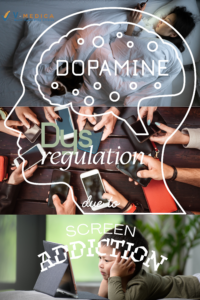
Frequent screen use overstimulates the brain’s reward system. Each notification, like, or video triggers dopamine release. Dopamine is the chemical linked to pleasure and motivation. Over time, this constant stimulation disrupts balance. As a result, the brain needs more screen time to feel the same reward. This leads to compulsive use and poor self-control.
Why Screens Become Addictive
Digital platforms are designed to hold attention. Features like endless scrolling and instant rewards activate addiction-related brain pathways. Because of this, normal daily activities feel less enjoyable. Studying, working, exercising, or socializing may seem boring. Gradually, people may feel restless, irritable, or low in mood. Many also experience poor focus and sleep problems. In teens, this can affect emotions and school performance.
Common Signs of Screen-Related Dopamine Imbalance
People with excessive screen use may notice anxiety or constant restlessness. Concentration becomes difficult. Sleep quality often worsens. Mood swings are common. Children and adolescents may show emotional outbursts or declining academic results. These signs should not be ignored.
How to Prevent Screen Overuse
Prevention starts with mindful screen habits. Setting daily screen limits helps reduce overuse. Turning off non-essential notifications is also useful. Screen-free time before sleep is especially important. In addition, regular exercise supports healthy dopamine levels. Spending time outdoors and practicing mindfulness also help. For children, parental guidance and clear rules are key.
Treatment and Professional Support
Treatment focuses on gradual behavior change. Sudden screen restriction is usually not effective. Cognitive Behavioral Therapy (CBT) helps manage compulsive habits. It also improves emotional control. In some cases, a mental health evaluation is needed. Anxiety, depression, or ADHD may worsen screen dependence. With early care, recovery is very achievable.
Key Takeaway
Excessive screen use can disrupt brain chemistry and mental health. However, the brain can recover with the right approach. Balanced screen habits and timely support can restore focus, mood, and overall well-being